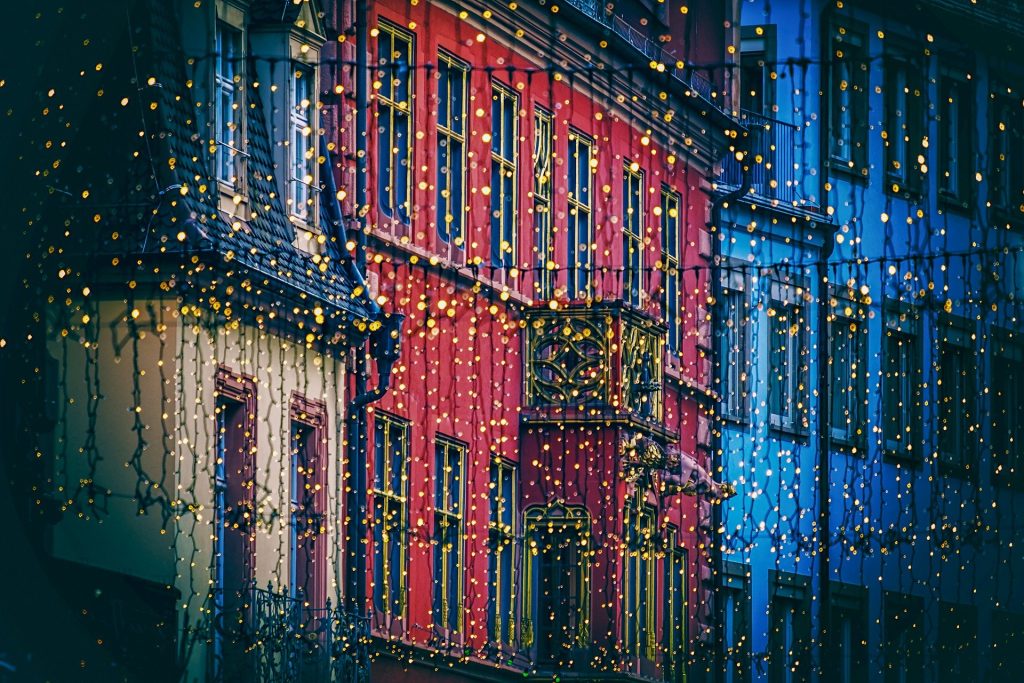
As Christmas approaches, the festive lights adorning the streets signal that the holiday season is just around the corner. Spain is known for its rich Christmas traditions, many of which make this time of year uniquely special. From the traditional lottery draw to the grand celebration of the Three Kings, Spanish Christmas is a vibrant tapestry of events. Let’s explore the most important dates and customs that make Christmas in Spain unforgettable.
December 22: The Christmas Lottery Draw
Christmas in Spain kicks off with the traditional Lotería de Navidad draw on December 22. Known as “El Gordo” (The Fat One), this lottery is a nationwide event that sees people buying at least one ticket, with many participating in local, work, and family lotteries as well. This lottery is a major highlight of the season, often accompanied by significant advertising and anticipation.
December 24: Christmas Eve Dinner
On Christmas Eve, or Nochebuena, Spaniards come together for a special family dinner. This is one of the most important celebrations of the year and is known for its sumptuous feasts. The meal typically includes a wide range of dishes from seafood to turrón, a type of nougat. It’s common to indulge in such an elaborate spread that you end up feeling quite full, often gaining an extra kilo or two.
December 25: Christmas Day Festivities
Christmas Day is another significant occasion when Spanish families gather for a festive lunch. Although it’s not the norm, some families also receive a visit from Santa Claus, who delivers gifts. In the eastern part of Spain, families continue the celebration with another meal on December 26, known as San Esteban (St. Stephen’s Day).
December 28: Día de los Inocentes
While many around the world celebrate April Fool’s Day on April 1, Spain observes Día de los Inocentes (Day of the Innocents) on December 28. This day is dedicated to playing pranks and jokes, making it a time to be cautious about the news and information you receive.
December 31: New Year’s Eve Celebrations
New Year’s Eve, or Nochevieja, is one of the most festive days of the year in Spain. The celebrations typically start with drinks before a grand dinner. For the more active, it’s common to participate in the traditional San Silvestre races held in various cities. As the clock strikes midnight, Spaniards eat twelve grapes, one with each chime, for good luck. This ritual is crucial, especially this year, to ensure we don’t repeat another challenging year like 2020.
January 1: New Year’s Day
January 1 is the quietest day of the Spanish holiday season. It is a day of rest following the festivities, with minimal activity on the streets and many businesses closed. It’s known as the national siesta day, a perfect time to recuperate from the celebrations.
January 5 and 6: The Three Kings
As previously mentioned, Santa Claus is not the primary gift-giver in Spain. Instead, Los Reyes Magos (The Three Kings) bring gifts to children on the night of January 5. The Kings parade through the streets, and their arrival is eagerly anticipated. On January 6, families enjoy the roscón de Reyes, a traditional sweet bread decorated with fruits, marking the end of the Christmas season.
Conclusion: Embracing Spanish Christmas Traditions
Christmas in Spain is a time of joy, tradition, and family gatherings. From the festive lottery draw to the grand arrival of the Reyes Magos, these dates and customs offer a glimpse into the vibrant culture of Spanish holiday celebrations. If you’re looking to celebrate with a Spanish touch, don’t miss out on the opportunity to explore our holiday offers. Happy holidays, and ¡Feliz Navidad!