
Spanish Video Game Vocabulary for Gamers
Consola, mando, truco, vida, farmear: the Spanish video game words you need to know if you love gaming, and the English words Spanish has adapted.


Have you been studying Spanish for a while and keep hearing about the DELE? Here is everything you need to know: what it is, how it works, why it’s worth taking and how to prepare.
The DELE (Diplomas de Español como Lengua Extranjera) is an official exam organised by the Instituto Cervantes several times a year to certify your level of Spanish. It is a great boost for your CV, essential for some professions in Spain (especially in medicine and teaching), and required for university admission and for Spanish nationality.
The DELE has four parts, each worth 25 points:
To pass, you need at least 30 points across reading and writing, and another 30 across listening and speaking.
The DELE follows the Common European Framework of Reference for Languages (CEFR), with the same levels you find in language schools: A1, A2, B1, B2, C1 and C2. There is also a DELE for schools, for young learners who want to certify their level. The Instituto Cervantes publishes the exam dates each year: see the DELE exam dates for 2027.
The DELE isn’t the cheapest exam. Fees vary by level and location, from about €80 for A1 to nearly €200 for C2. But it has a big advantage over other certificates: it never expires.

Some parts of the DELE can be prepared on your own. Reading and listening are the easiest. Manuals such as El Cronómetro or Las claves del nuevo DELE help you learn the structure of each test and spot your weak points.
One drawback of the DELE is that you can fail it. If you would rather have an exam that certifies your level without that risk, consider the SIELE: read our comparison of SIELE gegen DELE.
Our experienced teachers have helped many students pass the DELE, with group courses, small-group tutoring and one-to-one classes. Find out more on our DELE and SIELE page, or Kontaktieren Sie uns with any questions.
Consola, mando, truco, vida, farmear: the Spanish video game words you need to know if you love gaming, and the English words Spanish has adapted.
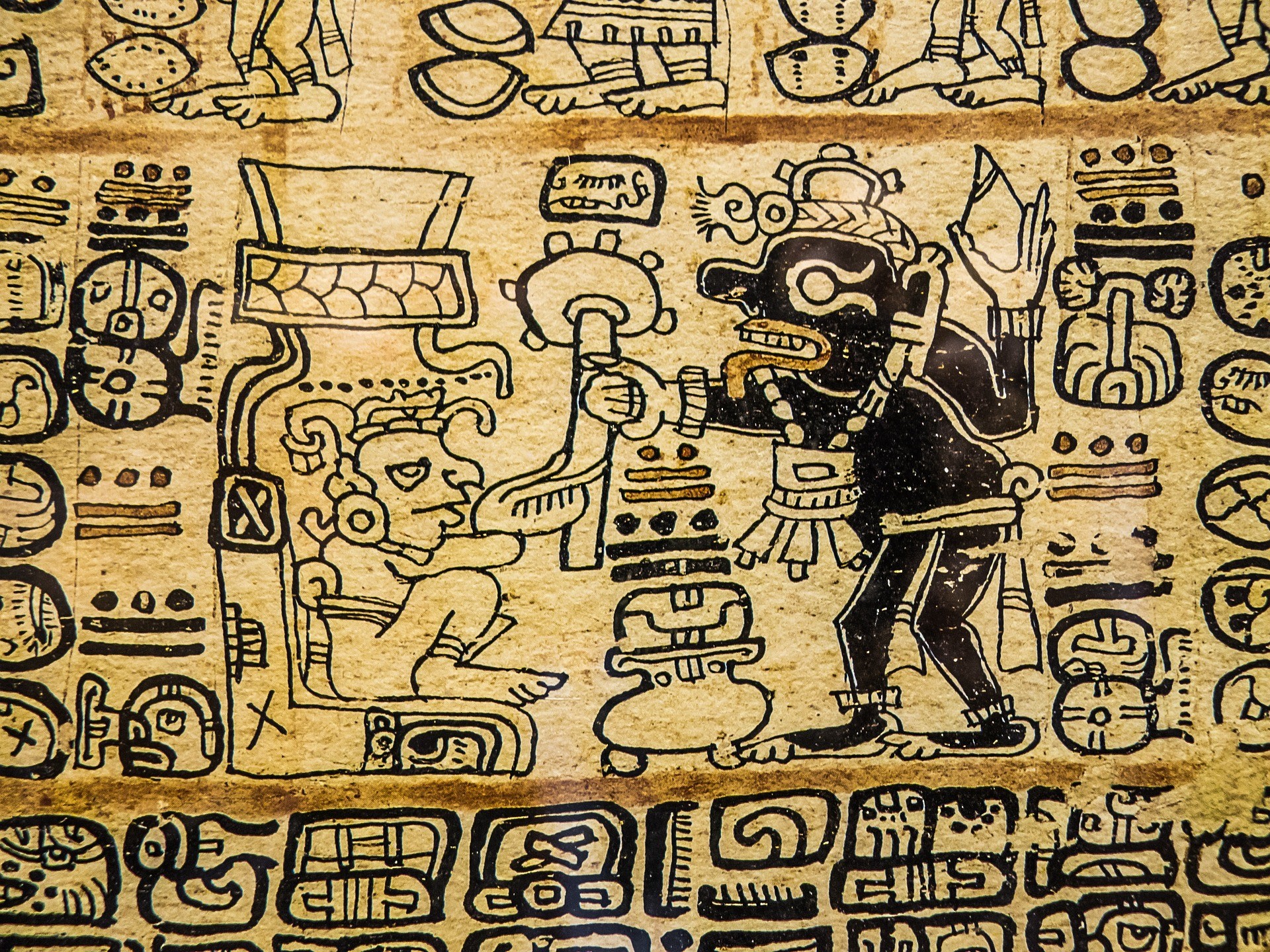
Chocolate, barbacoa, cancha, maracas and petate: discover five Spanish words that came from the indigenous languages of the Americas.
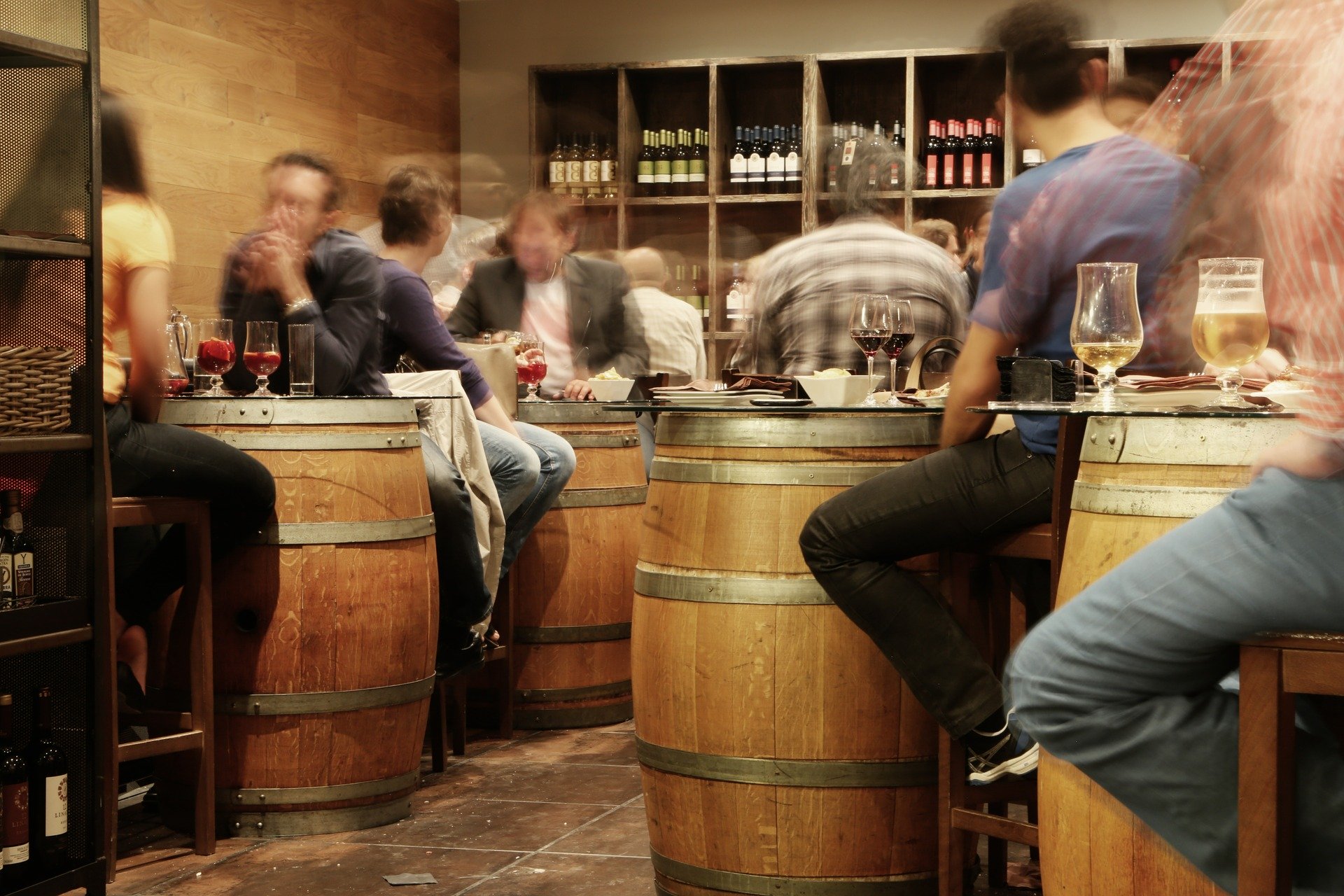
Mazo, tronco, mini, a pachas and canteo: learn the Madrid slang words our students hear every day, what they mean and how to use them.