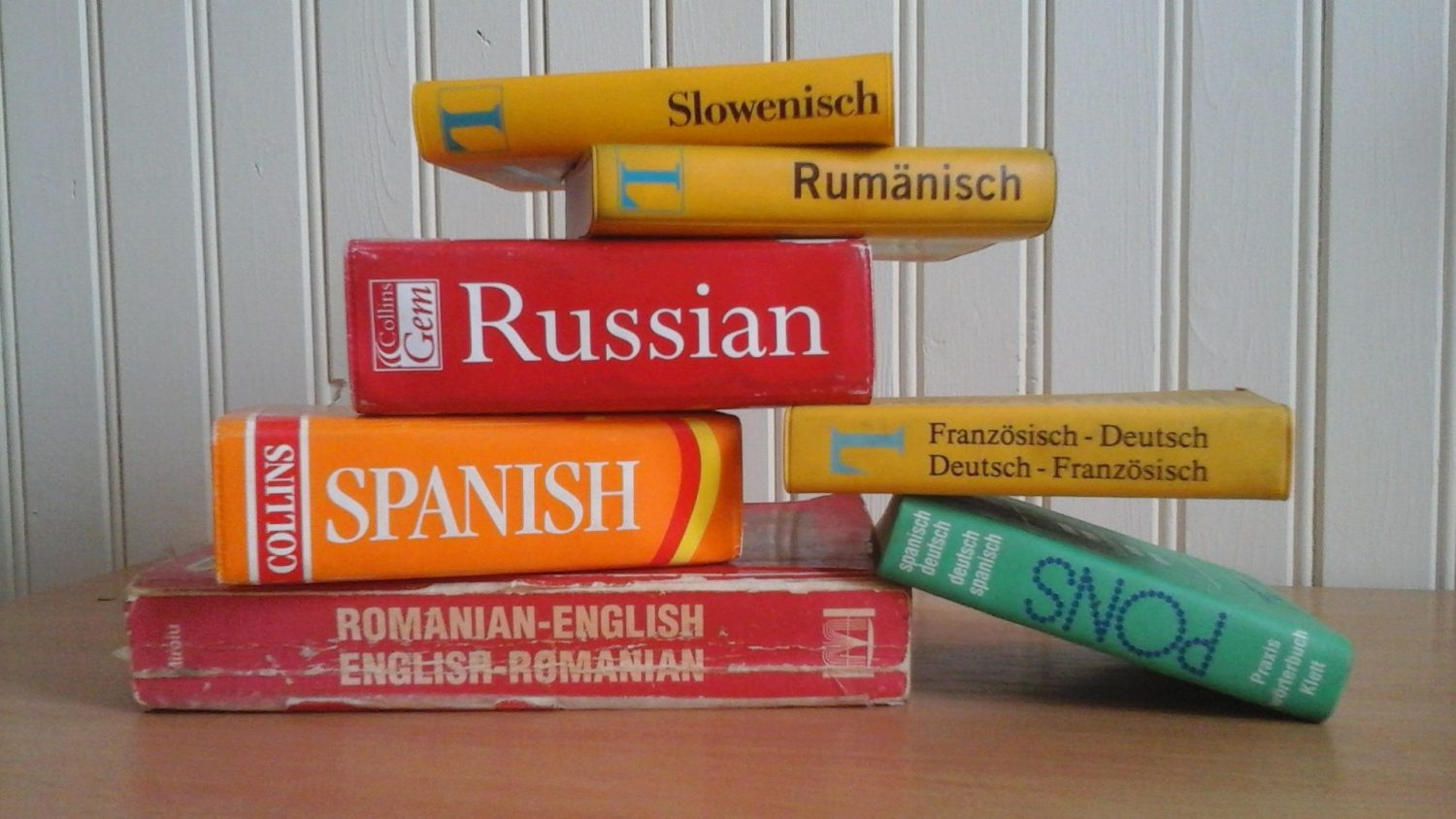

Make learning Spanish your New Year’s Resolution

How are those new year’s resolutions going? If you are like most people, then you’ve probably given up by now. Don’t feel bad. Creating new habits or changing old habits can be very difficult. The most common resolutions typically require pretty big lifestyle changes like losing weight, starting a new exercise routine, or learning a new skill or hobby and we end up over our heads.

The most common reasons that people fail to accomplish their goals is because of a lack of accountability (going it alone), lofty expectations, a lack of a clear plan, and giving up too easy.

So how can you actually stick to your New Year’s resolution? Well, to answer that question we are mostly going to focus on learning new skills, or more specifically, learning a new language.

When it comes to learning new languages most anglophones prefer Spanish, and there are plenty of good reasons why. It is already the most common 2nd language choice in the US and is spoken by 15% of Europeans. The British Council Report claims that it is the most important language for people in the UK to learn, and is showing no signs of slowing down in terms of world popularity. But, perhaps the most important reason to learn is that it will increase your employment opportunities, especially if you are living in a big city like Madrid. Given the similarity in alphabet, cultural familiarity, origin, and relative ease to learn, it is a very attractive option for people looking to learn a second language.

Maybe you have already thought about learning Spanish before and didn’t end up following through for one reason or another, or even have tried taking classes without any tangible results to show for it. Previous bad experiences shouldn’t sour you on the idea of learning in the future. With the right approach, learning Spanish could be the first New Year’s resolution that actually lasts… at least until February.

Share it!

Facebook
Twitter
WhatsApp

More blog posts

Cinco palabras de curioso origen inglés

Hoy en día estamos acostumbrados a incorporar nuevos términos procedentes del inglés al español. Tuitear, bloguero, hater, u otras palabras normalmente relacionadas con las nuevas tecnologías, se han convertido en términos habituales en las conversaciones entre nativos hispanos. Sin embargo, no tenemos que pensar que estamos ante una novedad. El español ya se ha nutrido otras veces del inglés, algunas de manera muy curiosa. Aquí os dejamos algunos ejemplos. Chachi: Aunque en estos momentos esta palabra haya pasado a un segundo plano, durante muchos años convivió como sinónimo de “guay”. Ambas intercambiables totalmente y dando un toque alternativo y joven (por entonces) a las conversaciones. El origen de esta palabra (se supone que) se remonta a Cádiz en los años posteriores a la Guerra Civil. Por entonces, los mejores productos

Read more »

Cómo aprender español escuchando música

La música es una de las mejores formas de aprender un idioma. En español tenemos la suerte de tener muchísimas canciones de multitud de estilos, gracias a la amplia variedad de todos los países hispanohablantes. Muchas veces, los profes llevan alguna canción a clase, pero también podemos practicar en casa gracias a lyricstraining, una app que te permite completar los espacios en las canciones y mejorar en tus audios y en tu escritura. En lyricstraining vas a encontrar multitud de canciones, a las que podrás ir ajustando el nivel de dificultad. Cuanto más difícil, más huecos tendrás que completar según vaya sonando la música. No te preocupes, si tienes que volver a repetir, o no entiendes alguna palabra, la música se pausará hasta que aciertes. La aplicación tiene más paciencia

Read more »