
Guide du visa étudiant pour l'Espagne : Votre feuille de route étape par étape (sans surprises !)

Getting your Spain Student Visa is the first step toward a life-changing adventure. At Jaleo Madrid, we know the process can feel like a maze, which is why we’ve designed a total support system. You’re not just coming here to learn Spanish; you’re coming to experience Madrid while we ensure the paperwork doesn’t get in your way.

Why Choose Jaleo for Your Madrid Experience?

If you are looking to étudier l'espagnol à Madrid with a long-term visa, you need a school that understands your journey. At Jaleo, we guide our international students from the very first click until they have their TIE (Foreigner Identity Card) in hand.


Step 1: Book Your Visa Appointment

Timing is everything. You must schedule an appointment with the Spanish Embassy or Consulate in your home country. Slots fill up fast, so book as early as possible.

Step 2: Prepare Your Documents with Jaleo

Once you enroll, Jaleo will send you the critical documents required for a successful application:

  • Official Letter of Admission.

  • Proof of Course Payment.

Pro Tip: Always double-check your local consulate’s specific checklist, as requirements can vary slightly depending on your country.

Step 3: Enrollment & Visa Support

Our visa support is exclusive to full-time students. To formalize your enrollment so we can issue your certificates, you will need to:

  1. Complete the Jaleo enrollment form.

  2. Sign the terms and conditions.

  3. Pay a 40% deposit of the total course fee (Note: Some consulates require 100% payment upfront; let us know if you have questions about your specific location).

Step 4: Attend Your Appointment & Get Approved

Submit your application and get ready for the big news! Once your visa is approved, you’ll complete the process by paying the remaining 60% of your tuition to activate your study plan and arrival services.

Step 5: Arrive and Start Your Studies

Arrive on your chosen start date and jump straight into your classes. Madrid is waiting for you with open arms, and we’ll have everything ready for your first day at Jaleo.


Course Details: More Than Just Grammar

Our visa-eligible programs typically range from 24 to 52 weeks, designed for both progress and enjoyment:

  • 20 hours per week of linguistic immersion.

  • Small class sizes for personalized attention.

  • Dynamic 55-minute lessons.

  • Enrollment fees and all study materials included.

Life at Jaleo: Real Cultural Immersion

Learning Spanish doesn’t just happen in books. At Jaleo, we include:

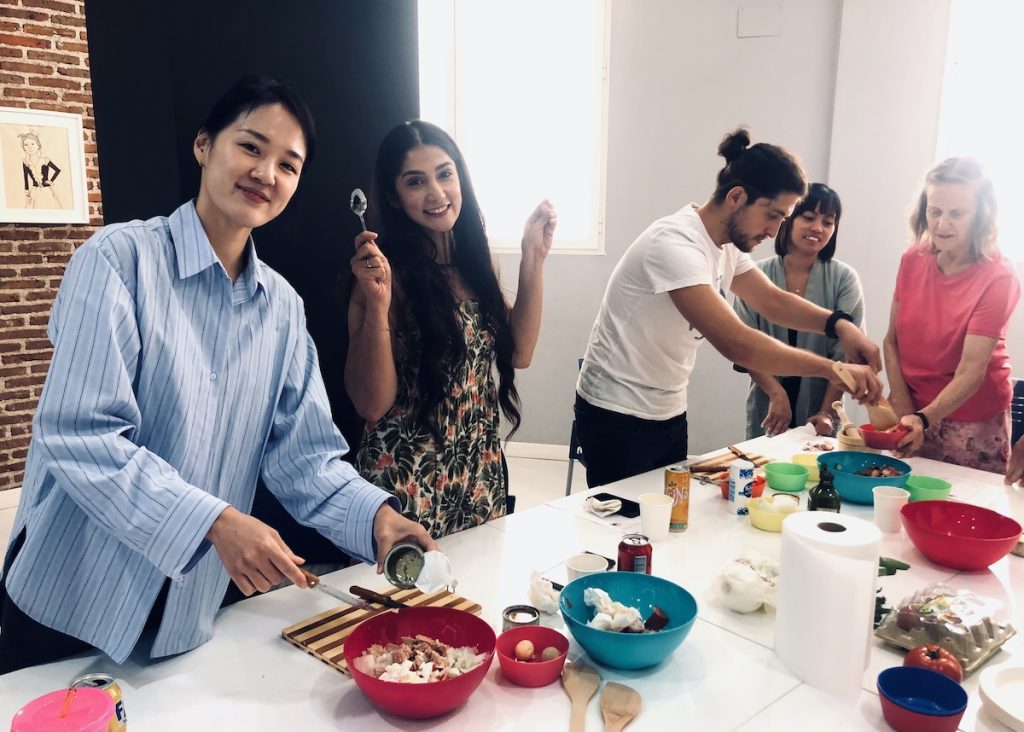
  • Cultural Thursdays: Cooking classes, museum visits, and tours through Madrid’s most iconic neighborhoods.

  • Free Book Club (Tuesdays): Improve your fluency in a fun, relaxed environment.

360º Support for Your New Life in Spain

We don’t let go of your hand once you land. We assist you with:

  • Applying for your TIE (Foreigner Identity Card).

  • Opening a Spanish bank account.

  • Getting your public transport card and local SIM card.

  • Securing the mandatory health insurance for your visa.


Ready to Start Your Madrid Adventure? 🇪🇸

Don’t let bureaucracy hold you back. At Jaleo, we’ve helped hundreds of students fulfill their dream of living in Spain with total peace of mind.

Not sure if this process applies to your country? Send us a message now and we’ll get back to you within 24 hours. Your life in Madrid starts here!

Share it!

Facebook
Twitter
WhatsApp

More blog posts

Cántame, me dijiste cántame (los distintos significados de “cantar”)

Tanto en una radio, como en una ducha, la música tiene una gran importancia en nuestra vida. Y más allá de que te guste bailar o tocar un instrumento, la otra acción con la que relacionamos las melodías es “cantar”. A los hispanos nos encanta la música y por eso hemos dado una multitud de sentidos a la acción de “cantar”. Si quieres saber cuáles, sigue leyendo. El significado original: “Cantar”, evidentemente, es producir un sonido (más o menos) melodioso con la voz. Depende de la persona. Por ejemplo: “La solista cantó genial en el concierto de ayer”. Relacionado con partes del cuerpo: “Cantar” referido a la voz suele ser algo bueno, aunque cuando lo relacionamos con partes del cuerpo es algo malo, ya que significa “mal olor”. Por ejemplo:

Read more »

Roberto Pérez Toledo, el rey del corto en las clases de español

Le réalisateur et guioniste canadien Roberto Pérez Toledo est décédé le lundi dernier. Son nom n'est peut-être pas aussi populaire que celui d'Alejandro Amenabar ou de Juan Antonio Bayona, mais pour les professeurs d'espagnol en tant que langue étrangère, ses courts ont été pendant des années des références dans nos classes. Roberto Pérez Toledo nous présente des histoires qui transcendent la culture et qui sont faciles à comprendre. En guise de petit hommage, nous allons recommander quelques-uns de ses travaux et l'adresse de quelques-unes des explorations qu'ont faites d'autres collègues. Les gritones : Ce court roman est très court et a pour thème principal l'amour, comme dans la plupart des histoires de Roberto Pérez Toledo. Dans ce cas, le thème est l'amour sans correspondance, avec humour et tristesse.

Read more »