
Spanish Newspapers and News for Learners: Where to Start
Reading the news is one of the best ways to learn Spanish. Which Spanish newspapers, radio and TV news to start with at each level, and how.


Learning a language is exciting, but it’s easy to lose sight of the goal: speaking. Traditional classes often focus on grammar rules and exercises, and speaking can end up feeling secondary. At Jaleo Madrid we believe conversation is the heart of learning a language. Here’s why speaking matters, how our conversation groups work, and what to expect from language exchanges.
Grammar is important, but focusing only on rules and exercises gives you a rigid idea of the language. Many students feel comfortable filling in gaps or answering multiple-choice questions because everything is clear-cut. But real conversation is full of grey areas, and communicating means bending the language to get your message across. Languages are for speaking, not just for completing worksheets.
At Jaleo Madrid we get you speaking Spanish from day one. Our conversation groups are about real-life topics, so you see grammar in action rather than in isolation. Teachers correct you and encourage you to lose your fear of speaking and making mistakes. And because motivation matters, we choose current, interesting topics that keep classes fresh.
We also know the best practice often happens outside the classroom. That’s why we sometimes take our groups to local bars and cafés, Madrid style. The relaxed setting makes conversations more natural and connects your Spanish with everyday life.

Teachers are often asked whether language exchanges (“intercambios”) are a good way to learn. The short answer is yes, but with some caveats. A language exchange isn’t for you if:
Language exchanges are great, but they are a complement, not a replacement for classes.
Spanish-speaking friends (or even a partner) are one of the fastest ways to improve. They force you to focus on communication rather than just grammar and vocabulary, help you escape the “expat bubble”, and mean more time listening to natives in real situations. At first it sounds like gibberish, but the more you hear, the sooner you tune in.
Grammar and speaking aren’t opposites: they work together. If you’re ready to practise in a dynamic, supportive group, join our conversation classes oder Kontaktieren Sie uns to find the right group for you.
Reading the news is one of the best ways to learn Spanish. Which Spanish newspapers, radio and TV news to start with at each level, and how.

Writing is the skill learners avoid most. Easy daily habits and our teachers’ tips to practise and improve your written Spanish, from WhatsApp to a diary.
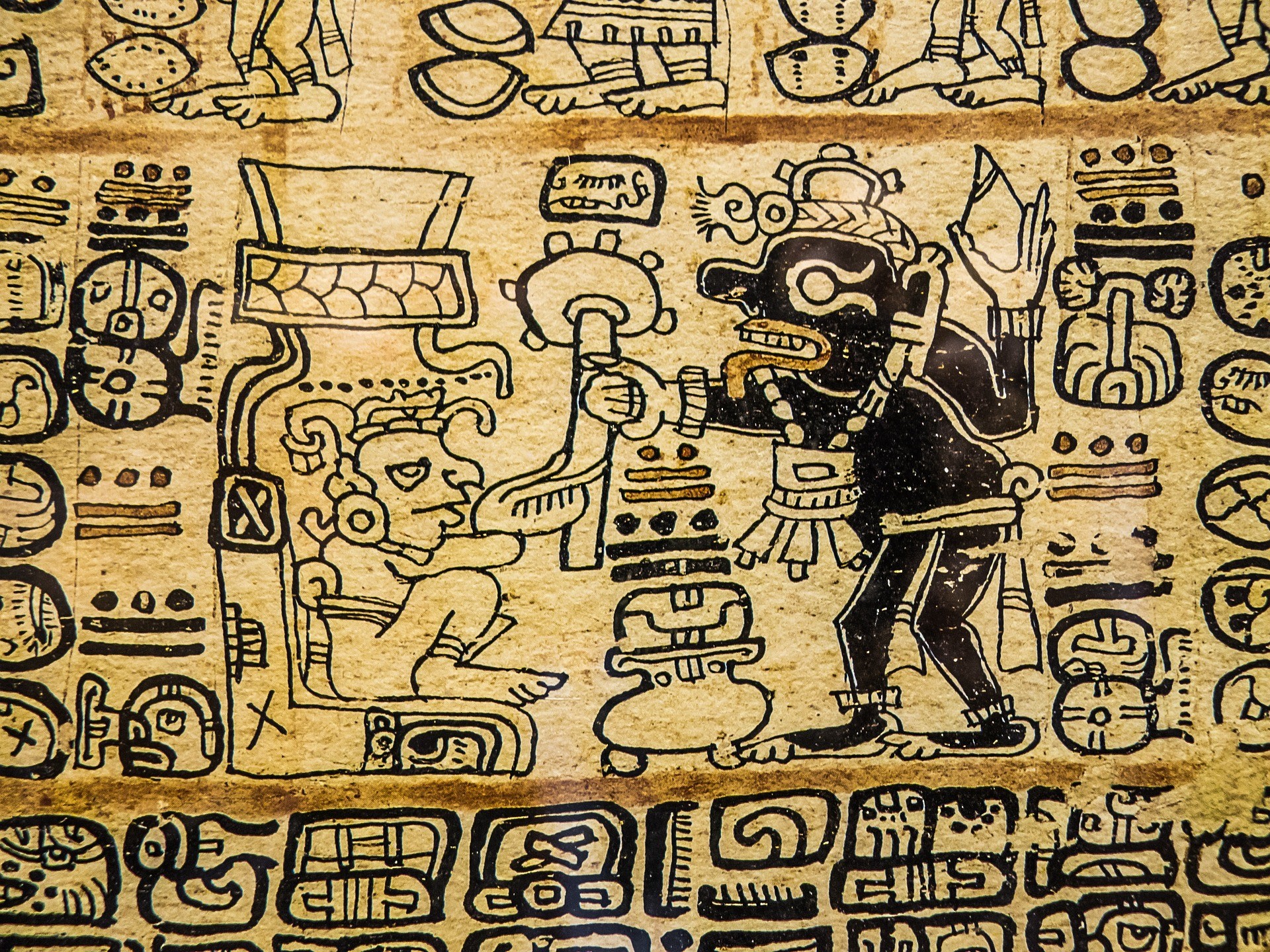
Chocolate, barbacoa, cancha, maracas and petate: discover five Spanish words that came from the indigenous languages of the Americas.