Spanish Dog and Animal Expressions to Sound Like a Native

At Jaleo Madrid we love animals, and dogs are among our teachers’ favourites (with permission from the cats). Spanish loves them too: there are lots of everyday expressions with dogs and other animals. Here are the ones you need to sound like a native.
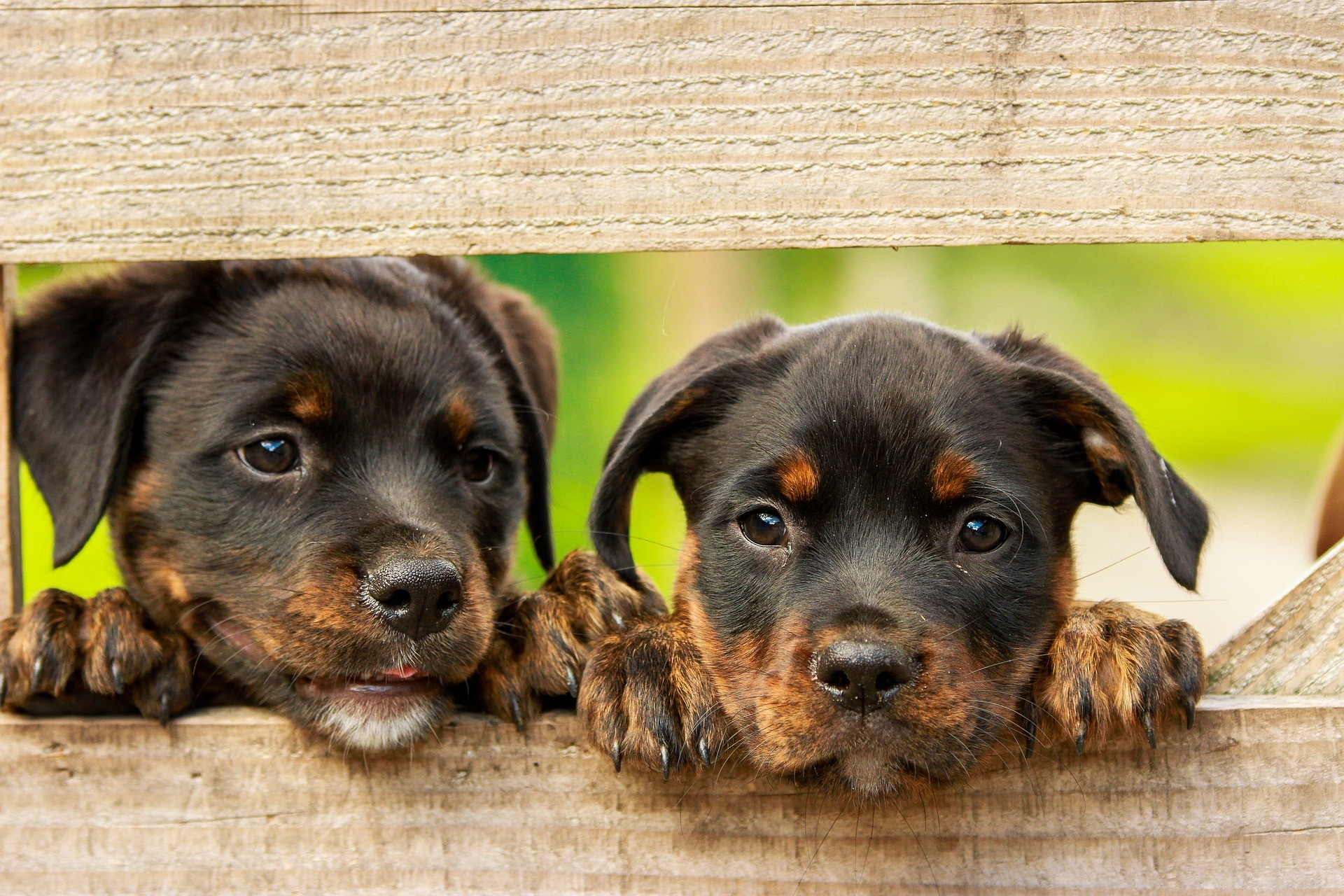
Expressions with dogs

  • Hacer un día de perros: literally “a dog’s day”, it means terrible weather, usually lots of rain. The worst days to take your dog for a walk.
  • Ser un perro verde: have you ever seen a green dog? Probably not. Someone who is “un perro verde” is a bit unusual: not good or bad, just out of the ordinary. Tengo un amigo al que le encanta levantarse a las seis los fines de semana. Es un perro verde. (I have a friend who loves getting up at six at weekends. He’s one of a kind.)
  • Ser perro viejo: old dogs know lots of tricks, so a “perro viejo” is someone with lots of experience. Carlos lleva diez años de profesor, ya es un perro viejo. (Carlos has been a teacher for ten years. He’s an old hand.)
  • Tener un humor de perros: like the weather, a “dog’s mood” is a bad one. If someone has one, keep your distance.
  • Llevarse como el perro y el gato: to fight like cat and dog. If you don’t get on with someone, you “se llevan como el perro y el gato”.
  • Hacer el perro: dogs love sleeping, so “hacer el perro” means to laze around. Lo que más me gusta los fines de semana es tirarme en el sofá y hacer el perro. (What I like most at weekends is lying on the sofa doing nothing.)
  • Perro ladrador, poco mordedor : “a barking dog doesn’t bite much”. It describes someone who talks a lot but never does anything.
  • A perro flaco, todo son pulgas : “a skinny dog gets all the fleas”. It means bad luck never comes alone. Primero perdió el trabajo y ayer se le rompió la nevera. A perro flaco, todo son pulgas. (First he lost his job and yesterday his fridge broke. When it rains, it pours.)
Spanish expressions with dogs

Expressions with other animals

  • No ser moco de pavo: the bit that hangs from a turkey’s beak is called “moco”, the same word as the stuff in your nose when you have a cold. So if something “no es moco de pavo”, it’s not to be sniffed at. El otro día me encontré 20 euros en la calle, que no son moco de pavo. (I found 20 euros on the street the other day, which is not to be sniffed at.)
  • Hacer la cobra: like a cobra moving its head, it means to dodge a kiss. Laura intentó besar a David, pero le hizo la cobra. (Laura tried to kiss David, but he dodged it.)
  • Dormir la mona: “mona” (female monkey) is also a synonym for being drunk, so “dormir la mona” means to sleep it off after a big night out.
  • Estar al loro: parrots pay close attention so they can repeat words, so “estar al loro” means to be on the ball. María lee el periódico todos los días. Está al loro de la actualidad. (María reads the paper every day. She’s up to date with everything.)
  • Por la boca muere el pez: “the fish dies through its mouth”. People who talk too much end up giving themselves away.
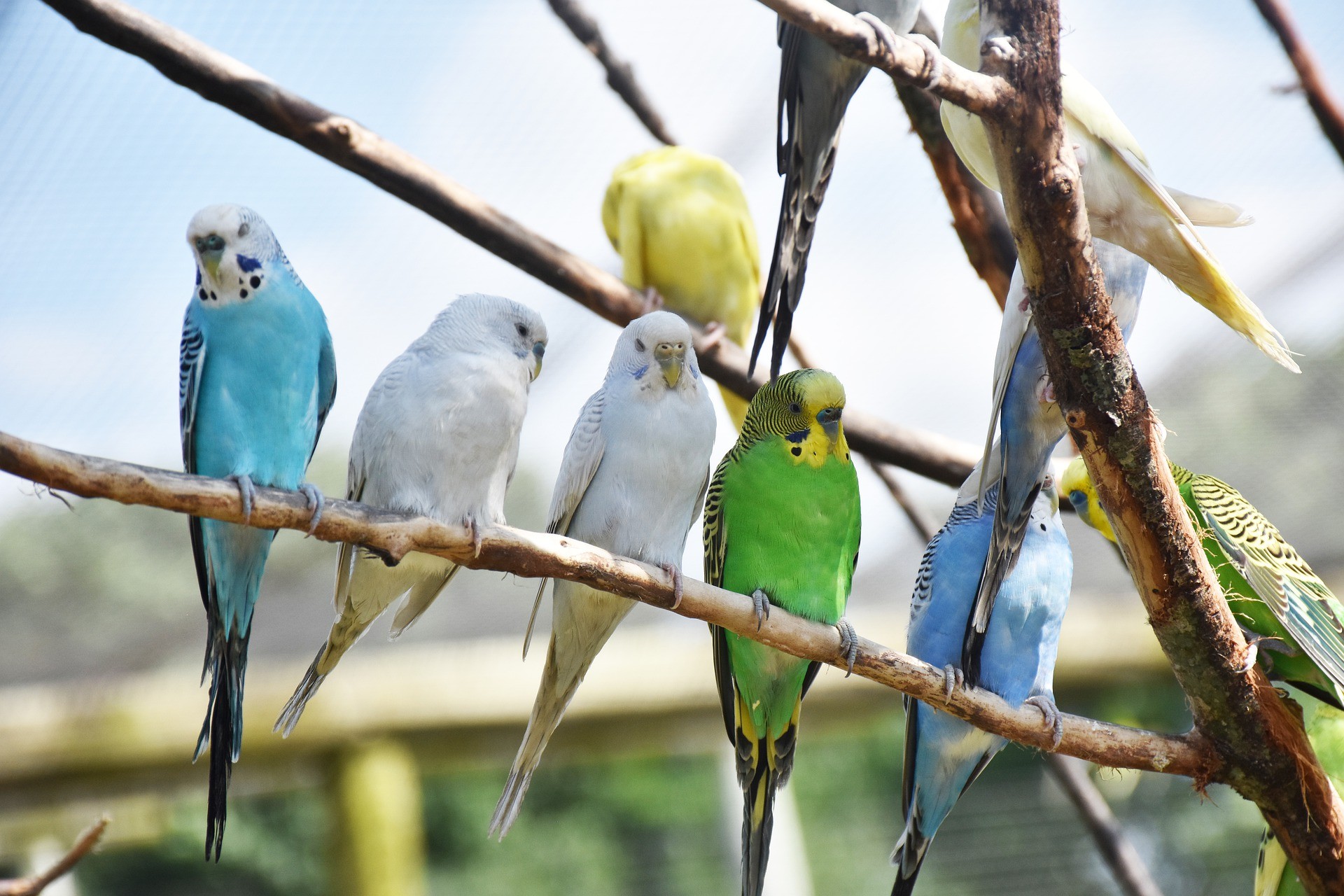
Birds on a branch

Cats get their own article: discover the meanings of gato. And for more weather expressions like “día de perros”, read our Spanish expressions about rain, cold and storms.

Practise them with us

If you want to put these expressions into practice, come and join one of our conversation classes in Madrid, or nous contacter to find the right course.

Share it!

Facebook
Twitter
WhatsApp

More blog posts