Living in Spain is an exciting experience, but if you’re planning to make it your long-term home, applying for Spanish citizenship is a powerful next step. Gaining nationality opens up a world of opportunities—not just within Spain but across the European Union.
But before you can call yourself a Spanish citizen, there are a couple of important exams you’ll need to pass. In this article, we’ll break down everything you need to know about the CCSE and DELE A2 exams, how to prepare for them, and why they’re worth your time.
When and how you can apply for Spanish Nationality
You can apply for permanent residency after five years in Spain. But once you’ve reached ten years of legal residence, you become eligible to apply for Spanish nationality.
This isn’t an automatic process. It involves paperwork, background checks, and passing two official tests to prove you’re integrated into Spanish society. These exams test your knowledge of the language and your understanding of Spanish culture and civic life.
Why Spanish Citizenship is a smart move
There’s more to Spanish nationality than just a passport—though that’s a great benefit in itself. With a Spanish passport, you’ll be able to live and work freely anywhere in the EU.
You’ll also be treated as a citizen in all bureaucratic processes, making tasks like renewing documents or dealing with public administration much easier. And let’s not forget your right to vote in both local and national elections.
The two key exams: CCSE and DELE A2
The Spanish nationality process includes two exams:
-
The CCSE (Conocimientos Constitucionales y Socioculturales de España), which evaluates your understanding of Spanish society, institutions, geography, and daily life.
-
The DELE A2, a Spanish language exam required for those from non-Spanish-speaking countries.
If you’re from Latin America or another Spanish-speaking country, you’re typically exempt from taking the DELE. And if you studied and completed secondary education (ESO) in Spain, you may not need to take the CCSE either.
Inside the CCSE exam: What to expect
Administered by the Instituto Cervantes, the CCSE is a multiple-choice exam made up of 25 questions, and you need to answer at least 15 correctly to pass.
Around 60% of the questions focus on Spanish laws, government, and administrative structure, while the remaining 40% relate to culture, society, and history. The test takes 45 minutes, is held in person, and costs €85. The best part? You have two more chances to retake it at no extra cost if you don’t pass the first time.
How to prepare for the CCSE
Preparing for the CCSE is very manageable. The Instituto Cervantes provides a free study manual and 300 sample questions online.
There’s also an official mobile app (for both iOS and Android) to help you practice anytime, anywhere. On top of that, plenty of unofficial websites offer mock exams and extra tips.
The test dates are released at the beginning of each year, so you’ll have enough time to plan your prep and book your spot.
What you need to know about the DELE A2 exam
The DELE A2 exam tests your ability to communicate in Spanish at a basic level. It’s required for non-Spanish-speaking applicants and also takes place in person at authorized centers.
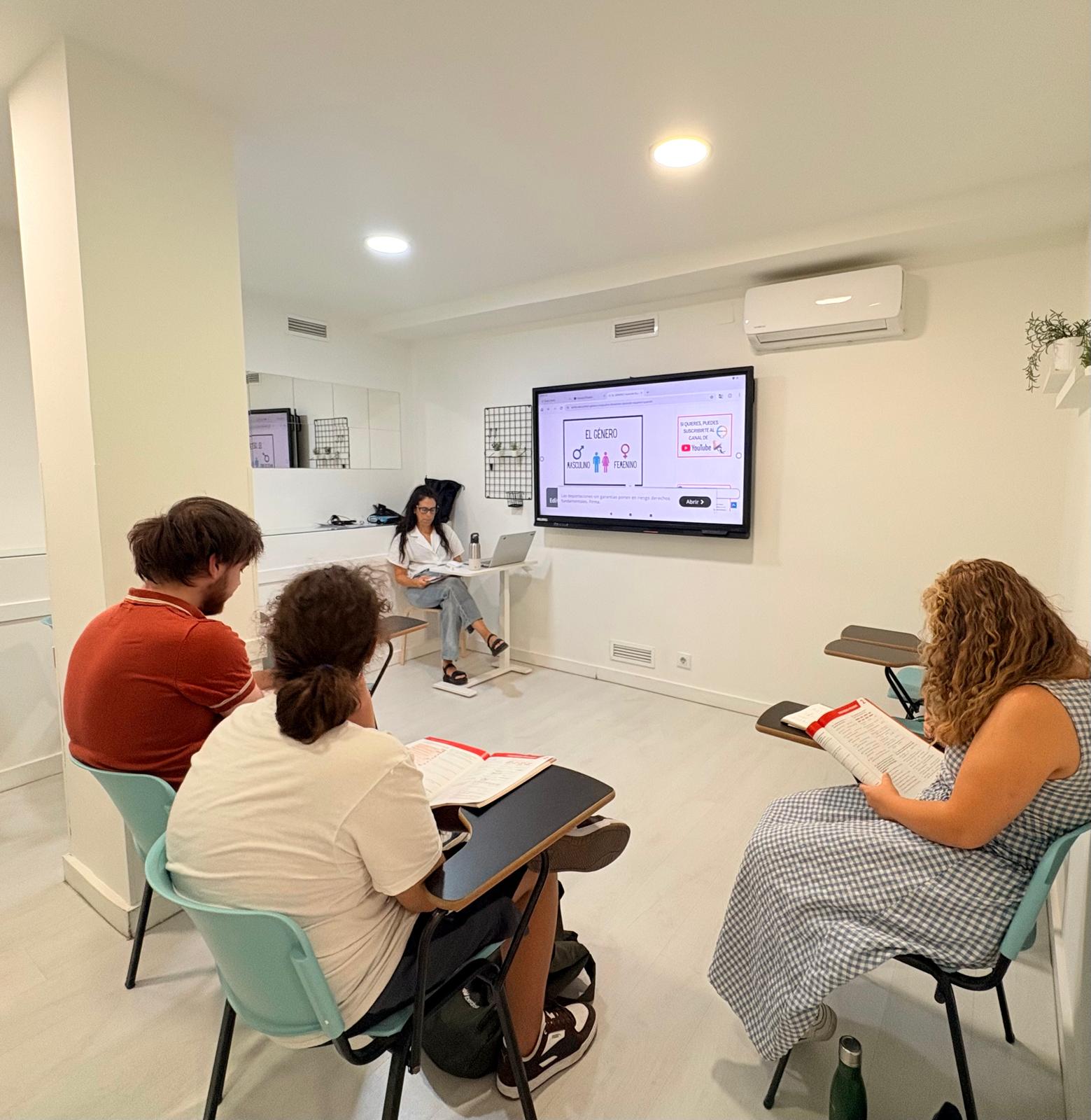
While Jaleo Madrid Spanish School doesn’t offer the exam on-site, we do provide personalized DELE A2 tutoring to help you prepare confidently. We’ll also guide you through the registration process and help you schedule your exam.
Tips to succeed on exam day
A calm and well-rested mind is your best tool on exam day. Try to avoid last-minute cramming. Instead, get a full night’s sleep, eat well, and arrive at the exam center early to avoid stress.
Once the exam starts, read each question carefully. If you’re unsure about an answer, skip it and return later. Prioritize what you know and manage your time wisely.
If you don’t pass on your first attempt, don’t worry. You can retake the CCSE exam up to three times using the same registration fee.
Final thoughts: You’ve got this
Passing the CCSE and DELE A2 exams is a milestone on your path to Spanish citizenship—but it’s absolutely achievable with the right preparation.
Use the official resources, practice as much as you can, and don’t be afraid to reach out for support. At Jaleo Madrid Spanish School, we’re here to help you through the DELE A2 preparation and make the process feel less daunting.
Spanish citizenship opens the door to a more secure, flexible future in Spain and across Europe. And if this guide has helped you, share it with others who are preparing for the same journey.