Quedar in Spanish: 6 Meanings and How to Use Them

Quedar vs Quedarse

“Quedar” is one of the most versatile verbs in Spanish. Together with its pronominal form, “quedarse”, it has lots of meanings that can confuse learners. Here are its six main uses, with examples to help you use each one.

1. Quedar: to meet up or make plans

Use “quedar” to say you have arranged to meet someone. It works in informal and slightly formal contexts and usually takes the preposition “con”.

  • Le dimanche, j'ai rencontré ma mère pour manger dans un restaurant italien. (On Sunday I met my mum for lunch at an Italian restaurant.)
  • J'ai pris rendez-vous avec ma femme pour aller au cinéma le prochain week-end. (I’ve arranged to go to the cinema with my sister next weekend.)

2. Quedarse: to stay

“Quedarse” means to stay or remain somewhere, a little like “estar”.

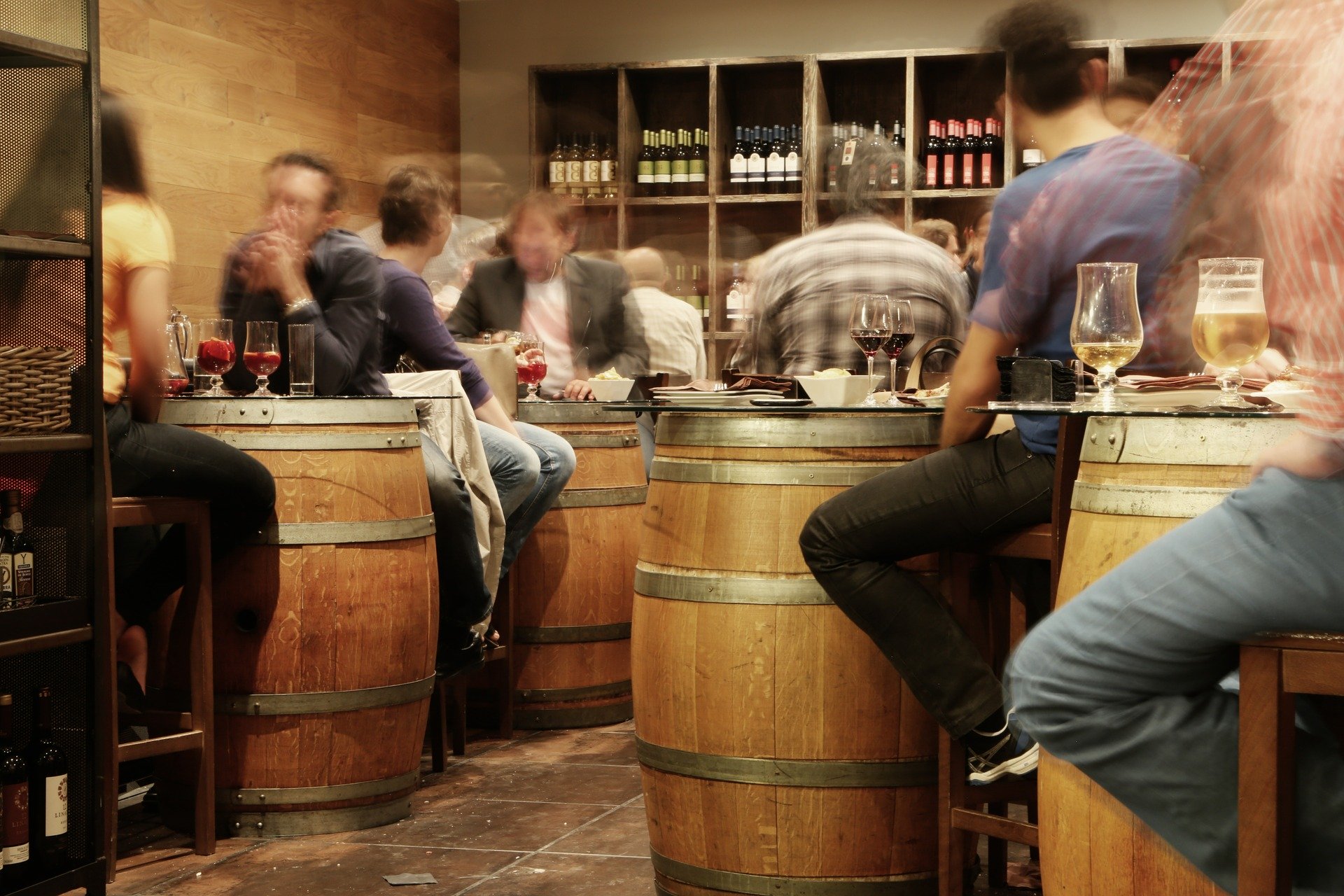
  • Los viernes por la noche siempre me quedo en casa, no me gusta salir de fiesta. (On Friday nights I always stay at home. I don’t like going out partying.)
  • Estas vacaciones nos quedamos en un hotel precioso que tenía piscina. (These holidays we stayed in a beautiful hotel with a pool.)
  • Parece que va a llover, mejor nos quedamos en casa y cenamos aquí. (It looks like rain, so we’d better stay in and have dinner here.)

3. Quedar en: to agree on something

When you reach an agreement or decide something together, use “quedar en”.

  • Nous avons décidé que les cours auraient lieu le mercredi. (We’ve agreed that the classes will be on Fridays.)
  • Nous nous sommes engagés à ce que le projet soit mis en œuvre dans trois mois. (We agreed the project would be ready in three months.)

4. Quedar: to be left

“Quedar” also says what is left after something has happened. It is impersonal, so it only appears in the third person singular or plural.

  • Nous avons commandé trois pizzas et nous les avons presque toutes dégustées, il ne restait que deux trozos. (We ordered three pizzas and ate almost all of them. Only two slices were left.)
  • No queda leche ni zumo, ¿puedes ir al supermercado? (There’s no milk or juice left. Can you go to the supermarket?)
  • Il faut attendre cinq minutes pour que l'autobus arrive. (The bus arrives in five minutes.)

5. Quedar: to suit someone

To say whether clothes or accessories look good on someone, use “quedar”. It works like “gustar”, with indirect object pronouns (me, te, le, nos, os, les).

  • ¡Qué bien te queda ese vestido ! (That dress really suits you!)
  • Te quedan fenomenal esos pantalones, pareces más alta. (Those trousers look great on you, you look taller. Or “pants” in US English.)

6. Quedarse: to become

“Quedarse” also describes a change from one state to another, including permanent physical changes.

  • À l'âge de 25 ans, mon père s'est retrouvé en état d'ébriété. (My father went bald when he was 25.)
  • María s'est retrouvée embarquée, quelle surprise ! (María is pregnant, what a surprise!)

Quedarse is one of several Spanish “change verbs”. Learn the others in our guide to hacerse, ponerse and volverse, and see how the little word “se” changes meaning in our guide to the uses of “se”.

Need a hand with quedar?

Still mixing up quedar and quedarse? If you have questions, nous envoyer un message. We’re here to help you master Spanish.

Share it!

Facebook
Twitter
WhatsApp

More blog posts