Welcome to a journey through the diverse meanings of the Spanish verb “tocar”. As December unfolds, Spain becomes a hub of festivities, not only for Christmas and New Year’s Eve but also for the highly anticipated Christmas Lottery, “El Gordo”. Amidst this excitement, we delve into the richness of the verb “tocar”, exploring its various nuances that resonate deeply within Spanish culture. From the literal act of touching to winning prizes and playing music, “tocar” reveals itself as a word intricately woven into the fabric of daily life and tradition in Spain.
The Versatile Verb “Tocar” (Touch)
Today, we’re diving into the versatile verb “tocar”, because it holds a multitude of meanings that resonate deeply within Spanish culture. Here are the five most noteworthy ones:
1. Tocar: The primary meaning of “tocar” is straightforward—using the sense of touch. When you physically interact with something using your hands, you’re “tocando”.
2. Tocar un premio (to win a prize): In the context of winning a prize, particularly referring to “El Gordo”, when fortune smiles upon you, Spaniards say “te toca” (it’s yours). This December, we’re all hoping to hear those words as we dream of winning euros in the Christmas draw. We wish the same good fortune for you!
3. Tocar un instrumento (to play an instrument): In the realm of music, the verb “tocar” means to play an instrument. Unlike the English “play”, in Spanish, you “touch” an instrument. For instance, in Rosalía’s recent concert, she skillfully played her hit “Malamente”.
4. Alterar (to alter): “Tocar” can also be used synonymously with “alter”, especially when referring to making changes. For example, when discussing a cherished family recipe, one might say, “Mi madre me dio esta receta perfecta de tarta. Ni se te ocurra tocarla” (My mother gave me this perfect pie recipe. Don’t even think about altering it).
5. Es tu turno (it’s your turn): Lastly, in a playful context, “tocar” serves as a cue that it’s someone’s turn. Gamers and sports enthusiasts commonly use it to prompt action, saying “te toca” (it’s your turn).
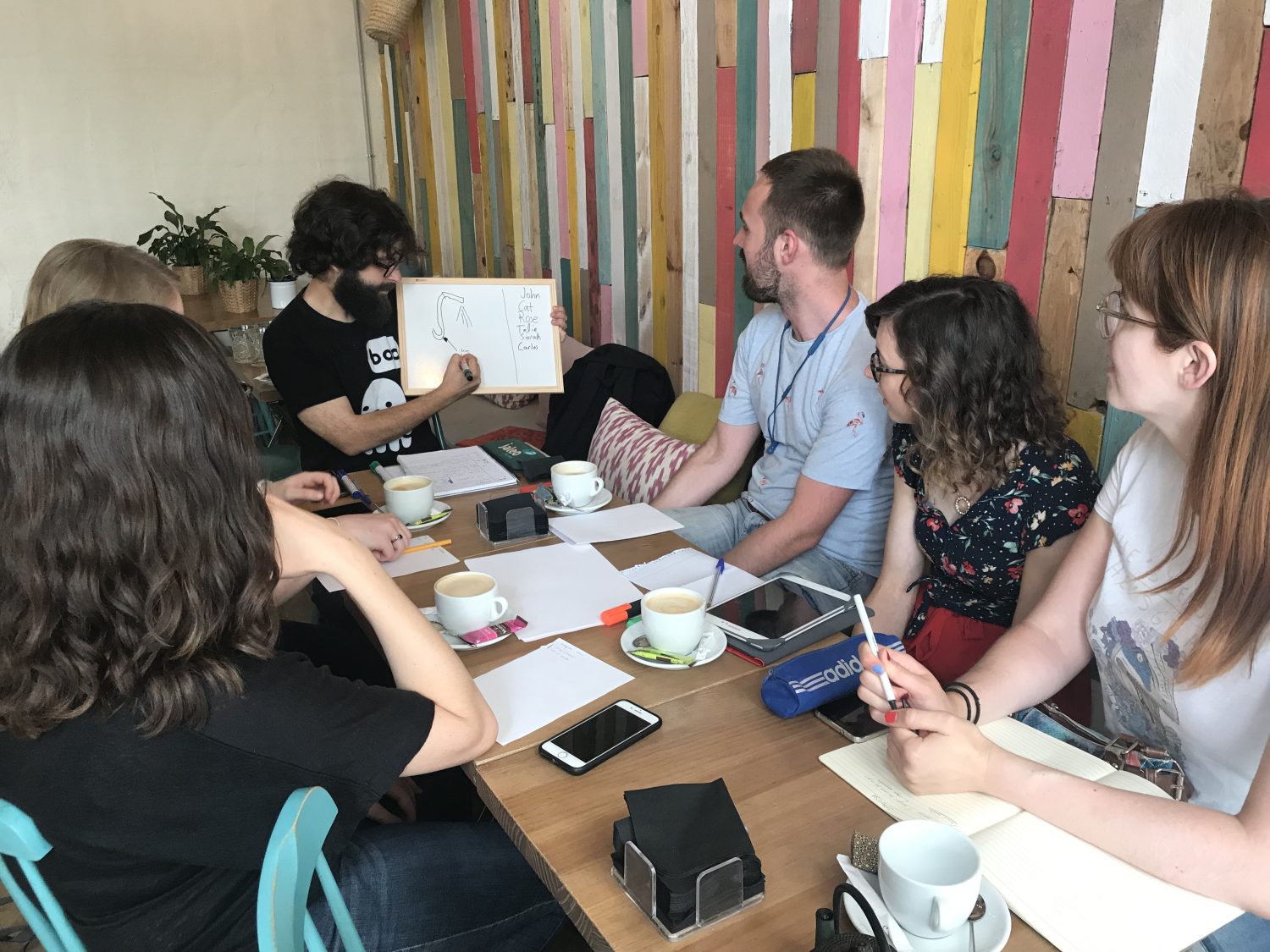
Do you know of more meanings for “tocar”? We’d love to hear from you! Share your insights on our social media and join the conversation. Better yet, if you’re eager to learn more about Spanish language and culture firsthand, we invite you to attend one of our group classes.
Conclusion
In conclusion, the verb “tocar” serves as more than just a linguistic tool in Spanish—it embodies layers of cultural meaning and context. From the tangible act of touching to the metaphorical significance of winning “El Gordo” or playing an instrument, “tocar” connects Spaniards through shared experiences and traditions. Whether you’re appreciating music, safeguarding cherished recipes, or cheering on friends in games, “tocar” transcends its literal translation to enrich conversations and interactions. As we embrace the spirit of December and celebrate the joys of the season, may “tocar” continue to unite us in its many forms and meanings.