From chocolate to maracas: surprising Spanish words from the Americas

Los americanismos en el español

In a previous post, we talked about Spanish words that come from other languages spoken in the Iberian Peninsula. Today, we’re continuing that journey — but this time, we’re heading across the Atlantic to the Americas, where the majority of Spanish speakers live today.

Over the centuries, Spanish has absorbed many words from pre-Columbian languages, especially when it comes to food, music, and culture. Some of these words have even made their way into other languages like English, French, and Italian. Let’s explore a few of the most fascinating ones:


The bittersweet story behind “chocolate”

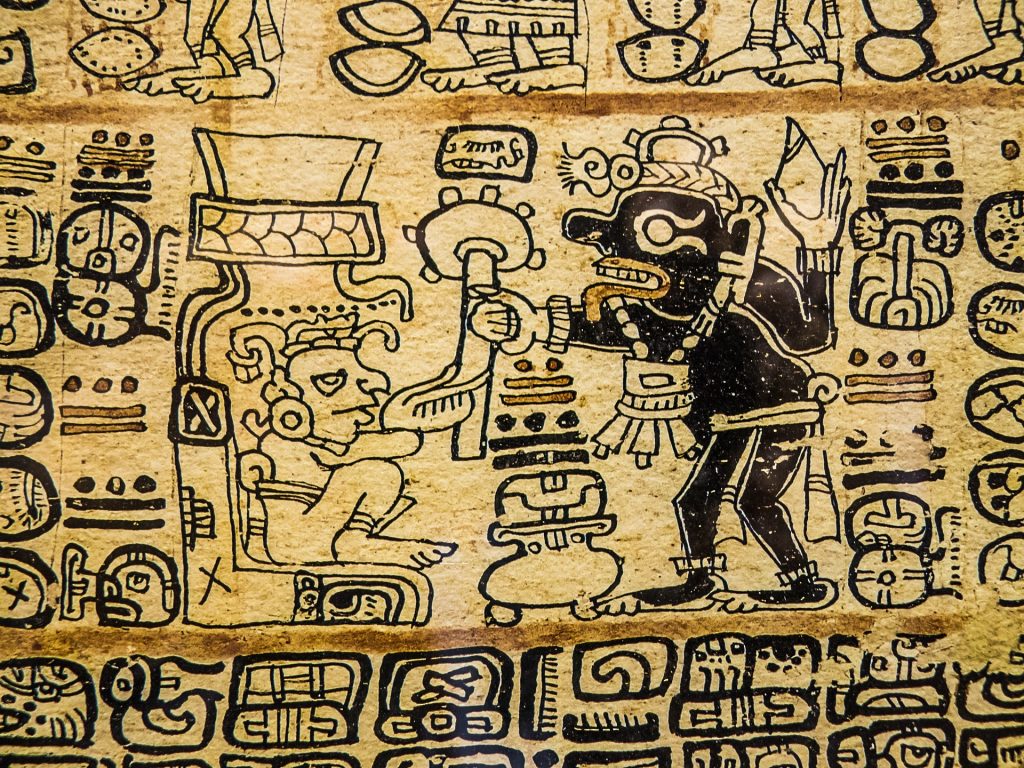
Even if you’re enjoying its sweet taste right now, the word chocolate actually means “bitter water.” It comes from Nahuatl, the language of the Mexica (Aztec) people. Originally, cacao was consumed as a bitter, frothy drink — very different from the delicious treat we know today.

Barbecue? Think Caribbean, not Texas

You might associate barbecues with the United States, but the word barbacoa has its roots in the Caribbean. The term comes from indigenous languages spoken in the region and originally referred to a kind of “scaffold inside an oven.” It’s easy to imagine how this evolved into the grill we use today.


How the Incas gave us the word “cancha”

From food, let’s jump to sports. The word cancha, used in Spanish to refer to sports courts or fields (like a basketball court), comes from Quechua, the language of the Inca civilization. In Quechua, “kancha” simply means an enclosed space or courtyard.


Maracas: a musical gift from the Guaraní people

Food? Check. Sports? Check. Let’s add music. The word maraca may sound Caribbean — and it’s certainly used widely in the region’s music — but its roots lie in the Guaraní language. In Guaraní, mbaraka means “gourd,” the material originally used to make the instrument. It all makes sense once you picture it.


What’s a petate, and why did we start storing things in it?

We wrap things up with the word petate, a term that now refers to a woven mat or even a place to store things. Originally, in Nahuatl, petatl referred to a straw mat used for sleeping. How it went from bed to storage is a bit of a mystery, but the word has stayed with us through the centuries.

Travel the Spanish-speaking world — without leaving Madrid

Although we’re based in Madrid, we love exploring the diverse roots of the Spanish language. Want to learn more about where Spanish comes from — and how it’s spoken around the world?

Come join one of our Spanish classes!

We’ll be waiting for you at Jaleo Madrid.
Share it!

Facebook
Twitter
WhatsApp

More blog posts

Halloween ya está aquí y aprendemos a decir que tenemos miedo

Aunque Halloween no es una festividad típicamente hispana, cada año es más común oír hablar de ella y las fiestas sobre este tema cada vez son más populares. La principal motivación de esta fecha es el miedo. ¿Pero sabes la diferencia entre las expresiones que usan esta sensación? Te ayudamos en nuestro post de hoy. Tener miedo / Tener miedo de: Usamos el verbo “tener” cuando queremos hablar de que nosotros somos los afectados por el miedo. Por ejemplo: Es normal que tengas miedo de pasar la noche en una casa embrujada. Esta expresión siempre va con la preposición “de” y a veces la podemos sustituir por estar asustado. Me da miedo / Da miedo: Usamos el verbo “dar” para hablar de lo que nos produce miedo. Si hablamos en

Read more »

Viajar en el tiempo con el español (¿ahora o ahora después?)

Cómo ordenamos el tiempo es una de las claves para entender un idioma. El tiempo tiene una posición en nuestras cabezas y está ordenado alrededor de nuestra lengua materna. Cuando tenemos que hacer el viaje para aprender un nuevo idioma, nos encontramos con la dificultad de saber dónde y cómo colocar ese tiempo. Así ocurre con algunas expresiones difíciles de entender en español, como algunas protagonizadas por “luego” y por “ahora”. Como profesores de español intentamos guiar a los estudiantes a través de nuestra visión clásica del pasado que queda atrás y el futuro que se encuentra delante de nosotros. Sin embargo, cuando avanzamos, hay huecos del pasado y del futuro que muchas veces a nosotros mismos nos cuesta situar. De este modo, en México podemos encontrarnos con la diferencia

Read more »

Learn Spanish in 2020: How to stick to your New Year’s Resolution

So you have decided that this is the year to finally learn Spanish. That’s great, but now what? Sticking to any resolution can be very difficult but there are some concrete steps to take that can help you achieve your goals and finally get the results you wanted. According to the Harvard Health Blog, the first thing you need to do to make your resolution stick is to answer these 5 questions: 1.Why do you want to make the change? Are you interested in learning Spanish for fun? Work? Love? The key is to focus on the emotional aspect and to imagine what your life will be like once you achieve your goal. This will be key in those tough moments when are you thinking about giving up and need

Read more »