What is a DELE Exam and What is it For?
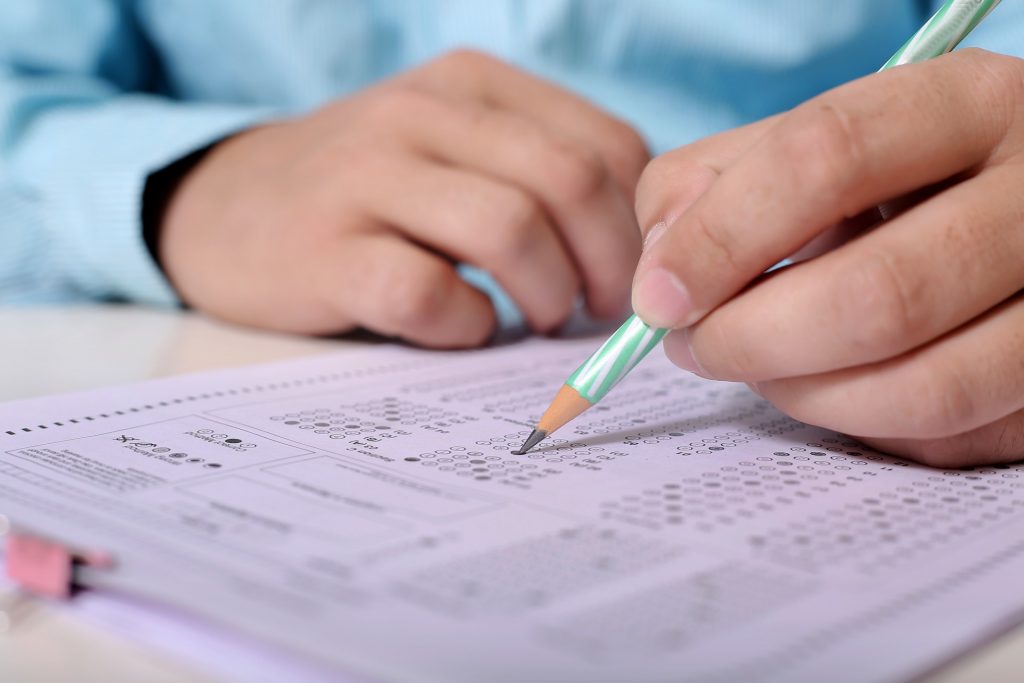
Have you been studying Spanish for a while and keep hearing the word DELE? Wondering what it means and what it is for? DELE, or Diplomas de Español como Lengua Extranjera, is an official exam organized by the Instituto Cervantes several times a year to certify your level of Spanish proficiency. This certificate is highly valuable for your resume and essential if you want to pursue certain professions in Spain, especially in the medical or teaching fields. It is also required for university admission or for obtaining Spanish nationality.
Structure of the DELE Exam
The DELE exam is divided into four different parts, each worth 25 points:
- Reading Comprehension
- Writing Expression
- Listening Comprehension
- Oral Expression
To pass the exam, you need to score a minimum of 30 points in both the reading and writing sections, and another 30 points in the listening and speaking sections.
Levels of the DELE Exam
DELE is aligned with the Common European Framework of Reference for Languages (CEFR), covering the levels commonly found in language schools:
There is also a DELE school exam available for minors who wish to certify their level of Spanish. The Instituto Cervantes publishes an annual calendar outlining the dates of each exam.
Costs and Benefits of DELE
DELE is not the most economical exam. Costs vary depending on the location and the level you are taking, ranging from approximately €80 for an A1 level to nearly €200 for a C2 level. Despite the cost, DELE has a significant advantage over other language certificates as it does not expire.
Alternative: SIELE Exam
One drawback of the DELE exam is that you can fail it. If you prefer an exam that certifies your level without the risk of failing, consider the SIELE exam. This exam is newer than DELE and less known, and it assesses your level at the time you take the exam.
How to Study for DELE at Home
DELE is one of the main challenges for Spanish students, but it can be used in many contexts. Firstly, out of necessity, for example, to gain admission to university studies in Spain. Secondly, to enhance your resume. And finally, as a way to motivate yourself to study Spanish.
On our blog, we have discussed this exam (and its younger sibling, SIELE) as it is one of the greatest fears of our students. Some parts of the test can be prepared individually at home, and today we will explain which ones.
Step-by-Step Preparation for DELE
The DELE exam is divided into: Reading Comprehension, Listening Comprehension, Writing Expression and Oral Expression. The first two parts are the easiest to prepare on your own. There are manuals such as El Cronómetro or Las claves del nuevo DELE that will help you learn the structure of the tests and identify your weak points, allowing you to work on them.
- Understand the Exam Structure: Often, we think that DELE evaluates our level of Spanish, but it is not just that. It is an exam with a specific structure that could cause problems solely for this reason.
- Reading Comprehension: Familiarize yourself with the texts in this section. Identify the words or structures you struggle with the most. Once you have mastered this part, you can move on to the listening comprehension section.
- Listening Comprehension: This part will be easier once you have the necessary vocabulary in your mind.
- Oral and Writing Parts: For these sections, we recommend the help of a teacher who can correct you. Although some manuals include examples of DELE tests that you can use for practice and review, it is beneficial to have a teacher who can evaluate you and provide advice.
Need Help Preparing for DELE?
If you’re looking to prepare for the DELE exam, the experienced teachers at Jaleo Madrid are here to help. They’ve guided many students to success, and we’d love to see you in our specialized classes. Learn more on our dedicated DELE exam preparation page. Don’t hesitate to contact us with any questions or to enroll!