Spanish isn’t the only language spoken in Spain. Catalan, Basque, Galician, and even Portuguese and the English spoken in Gibraltar have all left their mark on the language we speak at Jaleo Madrid. Today, we’ll explain five words that sound very Spanish but actually have their origins elsewhere in the Iberian Peninsula.
Bandeja: a Portuguese legacy in Spanish dining
Spain is known for its vibrant bars and restaurants, and one of the key elements that makes these places run smoothly has its origins in Portugal. The word bandeja refers to the tray used to carry food and drinks to tables, but it can also be found in the term bandeja de entrada (inbox), where you receive your emails. This everyday word, which you likely use every day, has Portuguese roots!
Morriña: a word born in Galicia
We’re heading to the western part of the Iberian Peninsula now, where we’ll find a word from Galicia, a region in the north of Spain. Morriña refers to the feeling of longing or nostalgia for one’s homeland. Galicia is known for its many emigrants, and it’s these people who helped bring this unique term into the Spanish language, often evoking a sense of homesickness.
Guiri: the curious history behind a common term
Guiri is a word that many use with a negative connotation, but the meaning depends entirely on the context. It refers to a foreigner, and its origin lies in the Basque language. In the 18th century, the Basques used the term guiristino to describe supporters of Queen Maria Cristina during the Carlist Wars. Over time, it evolved into the more common term we know today.
Faena: from Catalan to Spanish
While the word faena originally comes from Latin, it made its way into Spanish through the Catalan language. Faena means “work,” and it’s widely used across the Iberian Peninsula. Whether you’re talking about a job, task, or a piece of hard work, faena is the perfect word to describe it!
Chachi: a word of uncertain origins
The origin of the word chachi is still debated. Some scholars believe it comes from caló (the language of Spain’s Roma community), while others trace it back to English. The theory is that during World War II, British products entering Spain through Gibraltar were considered to be of high quality, and chachi came to describe something that was “great” or “cool.” A fun, casual word with an intriguing history!
Want to learn and practice more?
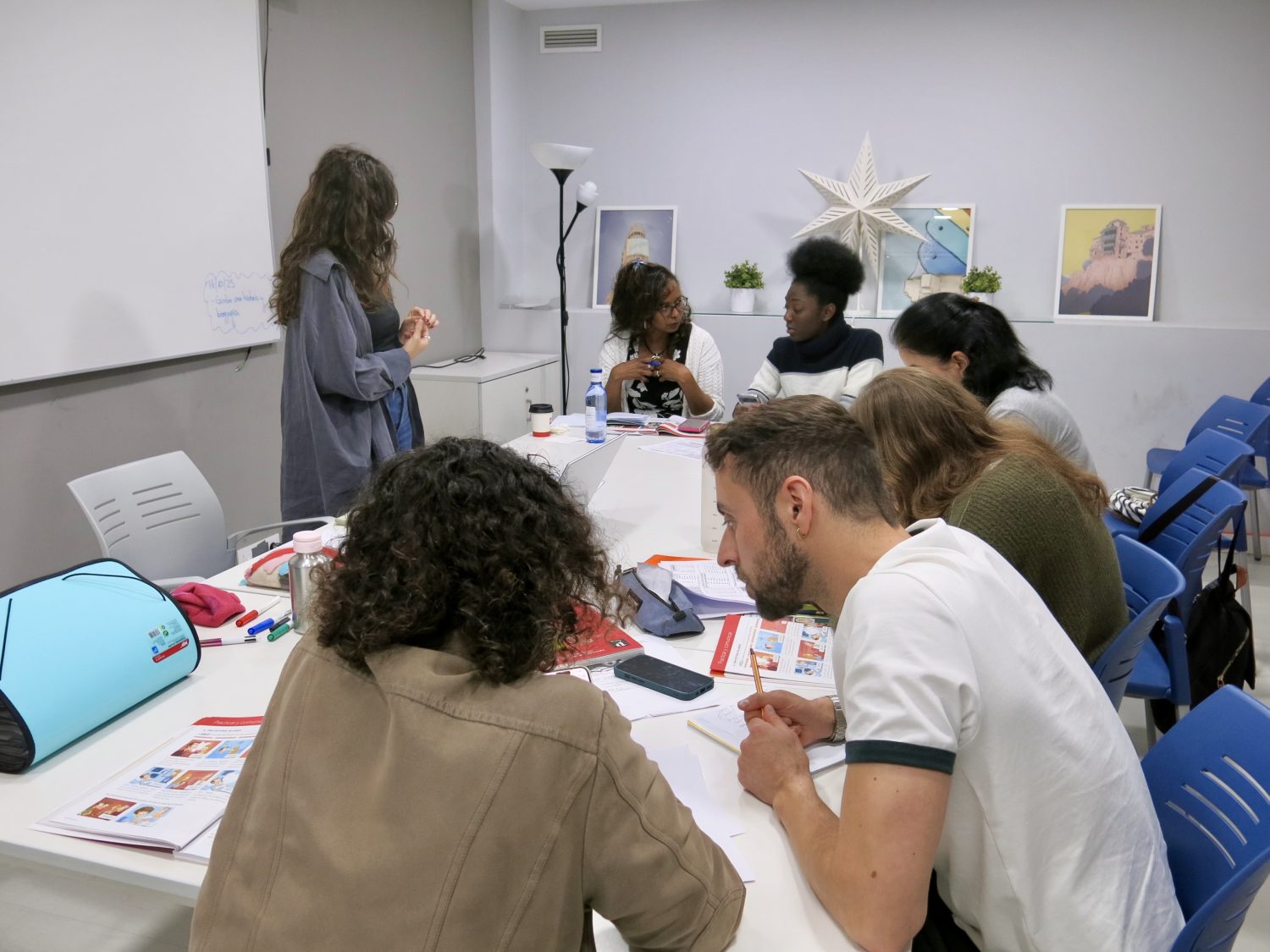
Now that you know the origins of some of these words, why not practice using them in conversation? At Jaleo Madrid, we’d love to help you learn not only vocabulary but also the fascinating history behind the words we use every day.
Feel free to visit our website for more information and come join one of our classes! We look forward to seeing you.