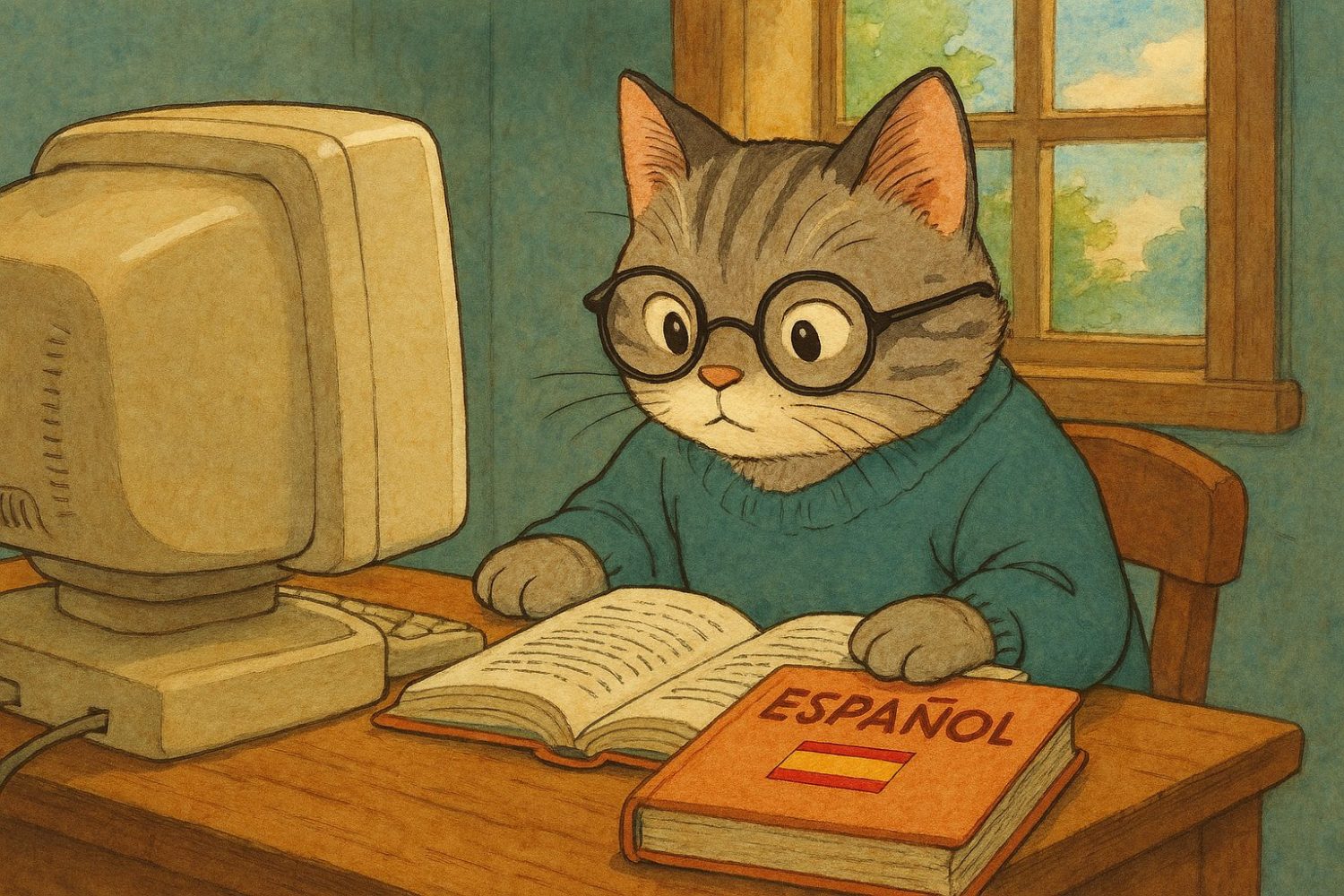
Every Spanish student pulls a funny face the moment we mention something called “verbos de cambio” (change verbs). That face relaxes slightly when we say it’s similar to the English verb “to become,” but the confusion quickly returns when we start explaining the complexities behind these verbs.
Today, in our blog, we’ll do our best to make this topic clearer for you. These verbs often create confusion, even in textbooks, and some teachers avoid them altogether because of how ambiguous they can be in certain contexts. But we’ve gathered everything we’ve learned over the years to give you a solid overview.
Let’s dive in:
1. Hacerse (to become – profession or ideology)
This one’s the easiest to start with. We use hacerse to describe a change related to profession, ideology, or beliefs(religious or political, for example). It’s a neutral verb – it just informs of the change without implying judgment.
Example:
Carlos se hizo profesor de español hace unos años.
Carlos became a Spanish teacher a few years ago.
2. Llegar a ser (to become – after effort)
This one is usually well-received in class. Llegar a ser suggests a positive change that happens as a result of effort over time.
Example:
Después de muchos años en el conservatorio, Ana llegó a ser una grandísima guitarrista.
After many years at the conservatory, Ana became a great guitarist.
3. Acabar + gerund/adjective (to end up – negative outcome)
This construction is the pessimistic sister of llegar a ser. Here, the change is understood as negative – someone ends up in a worse situation.
Example:
A pesar de ser un estudiante ejemplar, acabó desempleado porque eligió una carrera sin muchas salidas.
Despite being a model student, he ended up unemployed because he chose a degree with few opportunities.
4. Convertirse en + noun (to turn into – dramatic or magical change)
We use convertirse en mainly for dramatic transformations, such as religious conversions or magical changes.
Example:
Seguro que conoces un cuento de una rana que se convierte en príncipe.
You probably know a story about a frog that turns into a prince.
5. Quedarse + adjective (to be left – permanent negative change)
Things get trickier now. Quedarse expresses a permanent and often negative change, often related to physical or mental conditions.
Example:
Tuvo un accidente de coche y a raíz de eso se quedó cojo.
He had a car accident and as a result, he was left with a limp.
6. Ponerse + adjective (to get – quick and temporary change)
We’re reaching the more challenging part. Ponerse is used for changes that are quick and usually temporary, such as emotional or physical states.
Example:
María se puso muy guapa para la fiesta.
María got really pretty for the party.
7. Volverse + adjective (to become – gradual, lasting change)
Finally, volverse is similar to ponerse, but it indicates a more gradual and permanent change, often in personality or behavior.
Example:
Antes era una persona muy alegre, pero desde que tuvo el accidente se ha vuelto más huraño.
He used to be a very cheerful person, but since the accident, he has become more withdrawn.
Want to test yourself?
We’ve prepared a self-correcting test so you can see how well you understood today’s topic. And remember – if you’re still unsure about these verbs or anything else in Spanish, the best way to fix it is to ask us directly.
If you’d like to book a class with Jaleo Madrid Spanish School, don’t hesitate to get in touch through our usual channels. We’re here to help you master the trickiest parts of Spanish!