You might be thinking that these words you’re reading were written by a robot. Maybe ChatGPT, maybe Copilot. But rest assured: behind every letter, there’s a human pounding the keyboard. Yes, artificial intelligence arrived a couple of years ago to stay—and to integrate into just about every area of our lives. Spanish classes are no exception
Will AI replace Spanish teachers?
The first question we asked ChatGPT at Jaleo Madrid was:
“Are you going to steal our jobs?”
The robot answered politely: “No.”
We won’t lie—while that was the answer we wanted to hear, it didn’t exactly reassure us. But we saw the potential it had and decided to explore how we could integrate it into our work, not fight against it.
Our first experiments with ChatGPT
The first idea was pretty simple: have students submit a written text to ChatGPT and ask it to evaluate their level according to the Common European Framework of Reference (CEFR). Not only did it provide an answer, but it explained its reasoning clearly—and it lined up with our own evaluation. That gave us confidence.
Next, we tried something every Spanish teacher has probably done by now:
“ChatGPT, can you create a fill-in-the-blank exercise with the subjunctive?”
It did—and surprisingly, its limitations with the subjunctive were… very similar to our students’. That made us laugh—and trust the tool even more.
Using ChatGPT to improve the learning experience
Another way we’ve used ChatGPT is in our communication with students—not to replace our voices, but to supplement and support the learning process. For example, we’ve asked it (right in front of students!) to describe what a learner with X number of hours of Spanish should know.
The robot’s answers matched our expectations, which helped reassure our students—and helped us save time. That freed us up to focus on more personalized and meaningful aspects of teaching.
What we learned at the last Spanish teaching conference
At the most recent Spanish conference we attended, the topic of AI inevitably came up again. We left with even more ideas. One great suggestion? Ask ChatGPT for several possible corrections of a student’s text—not just one—and then use those as the basis for rewriting, comparing, and analyzing where the errors or weaknesses are. This type of activity fosters reflection and deeper learning.
Our take: AI is a tool, not a threat
The world of AI hasn’t come to take our jobs, nor has it come to eliminate language learning. If anything, it can make our lives easier—if used thoughtfully, ethically, and creatively.
So no, ChatGPT can’t replace your Spanish teacher. But it can help you practice, get feedback, and explore language in new and fun ways. And when paired with a human guide? Even better.
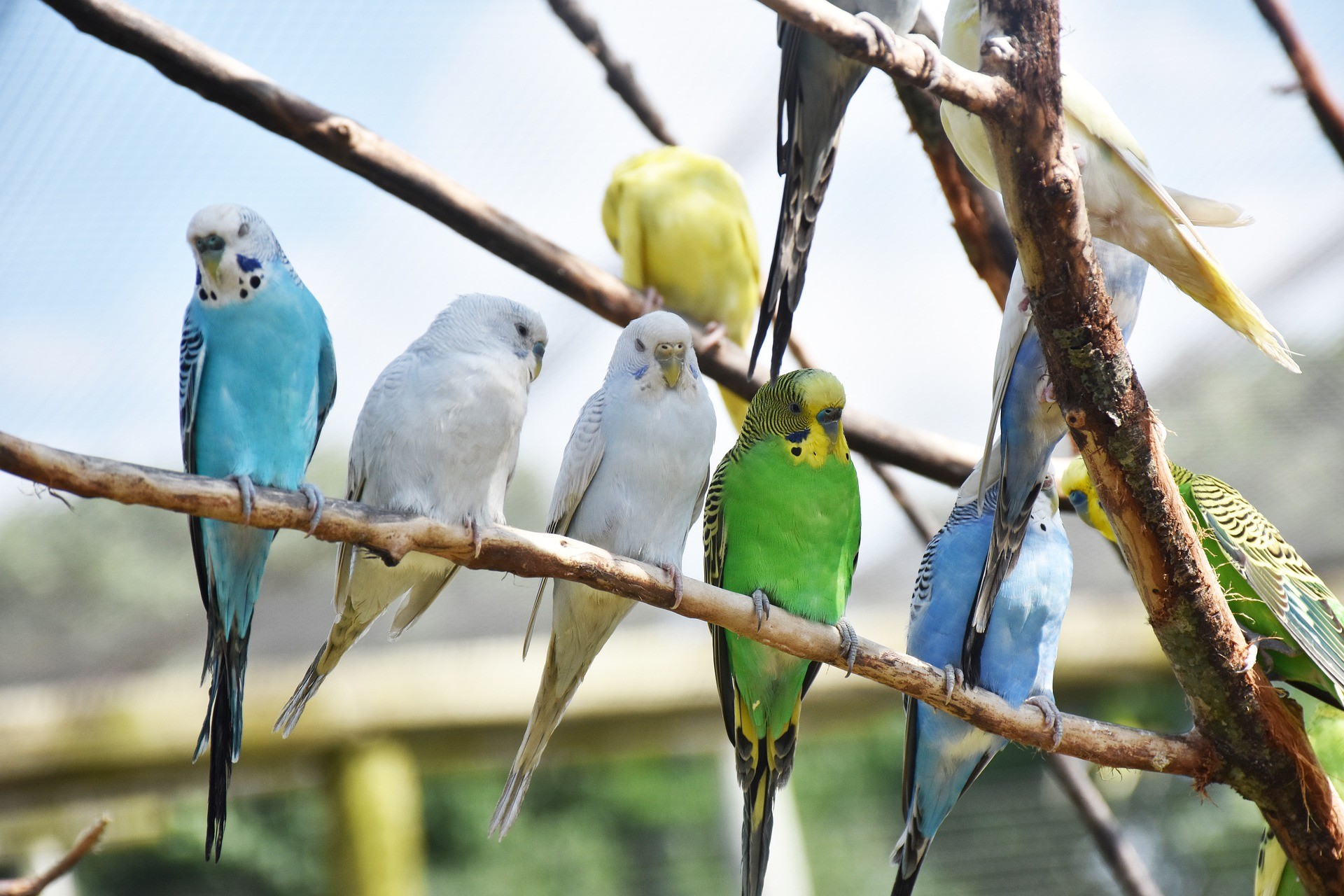
By the way—yes, the image that goes with this post was created by Copilot. We’re not hiding it.
If you want us to show you how to use AI as an ally in your Spanish classes—or you just want to chat with a human—come visit us at Jaleo Madrid or write to us on WhatsApp. We’d love to hear from you.