For those learning Spanish, there’s an important aspect of the language that might surprise you: swearing. Welcome to our “Swear Words in Spain” series, where we dive into the colorful and sometimes shocking world of Spanish profanity. While traditional language lessons often skip over these words, they are an integral part of everyday conversation and understanding them is crucial to grasping the language as it’s truly spoken.
The ubiquitous “joder”
One of the most commonly used swear words in Spain is “joder.” This word is akin to the English “fuck,” but it carries a broader range of uses and meanings. Whether you’re expressing frustration, surprise, or even something positive, “joder” is a versatile word that you’ll hear frequently in Spanish-speaking environments.
From exclamation to verb
Imagine you’re walking down the street and something unexpected happens, you might exclaim, “¡Joder! ¡Qué suerte!” (“Fuck! What luck!”). Here, “joder” acts as an exclamation, highlighting your surprise, whether it’s positive or negative. Even children have their own versions of this word to avoid adult disapproval. Instead of “joder,” kids might say “jope,” “jopeta,” or “jopelines” to express similar feelings without using the actual swear word. For instance, a frustrated child might say, “¡Jopeta! ¡No tengo sueño!” (“Darn it! I’m not sleepy!”).
But “joder” isn’t just limited to being an exclamation. It also functions as a verb. Similar to how “fuck” is used in English, “joder” originally refers to having sexual relations. However, in this context, it is considered extremely vulgar, even among Spaniards. More commonly, “joder” is used in a figurative sense, meaning “to annoy” or “to mess with.” For example, you might hear someone say, “Mi amigo me está jodiendo con el ruido” (“My friend is fucking with me with the noise”), indicating that the noise is really bothering them.
Limits of “joder” in Spanish
One interesting difference between Spanish and English is that “joder” isn’t typically used as an adjective. In English, you might describe something frustrating as a “fucking book” or a “fucking movie,” but in Spanish, such expressions aren’t common. You wouldn’t normally hear “el jodido libro” or “la jodida película” in casual conversation. The use of “joder” is more restricted to being a standalone exclamation or a verb.
Embracing the culture: Understanding “joder”
While it’s not necessary to incorporate swear words like “joder” into your Spanish vocabulary, it’s important to understand them. Native speakers use these words frequently, so encountering them in conversation is inevitable. Rather than being offended, recognizing their usage will give you deeper insight into the language and culture. On the other hand, it’s also crucial not to overuse “joder” in every sentence, as doing so could come across as crude or disrespectful.
Enhancing your “joder” expertise
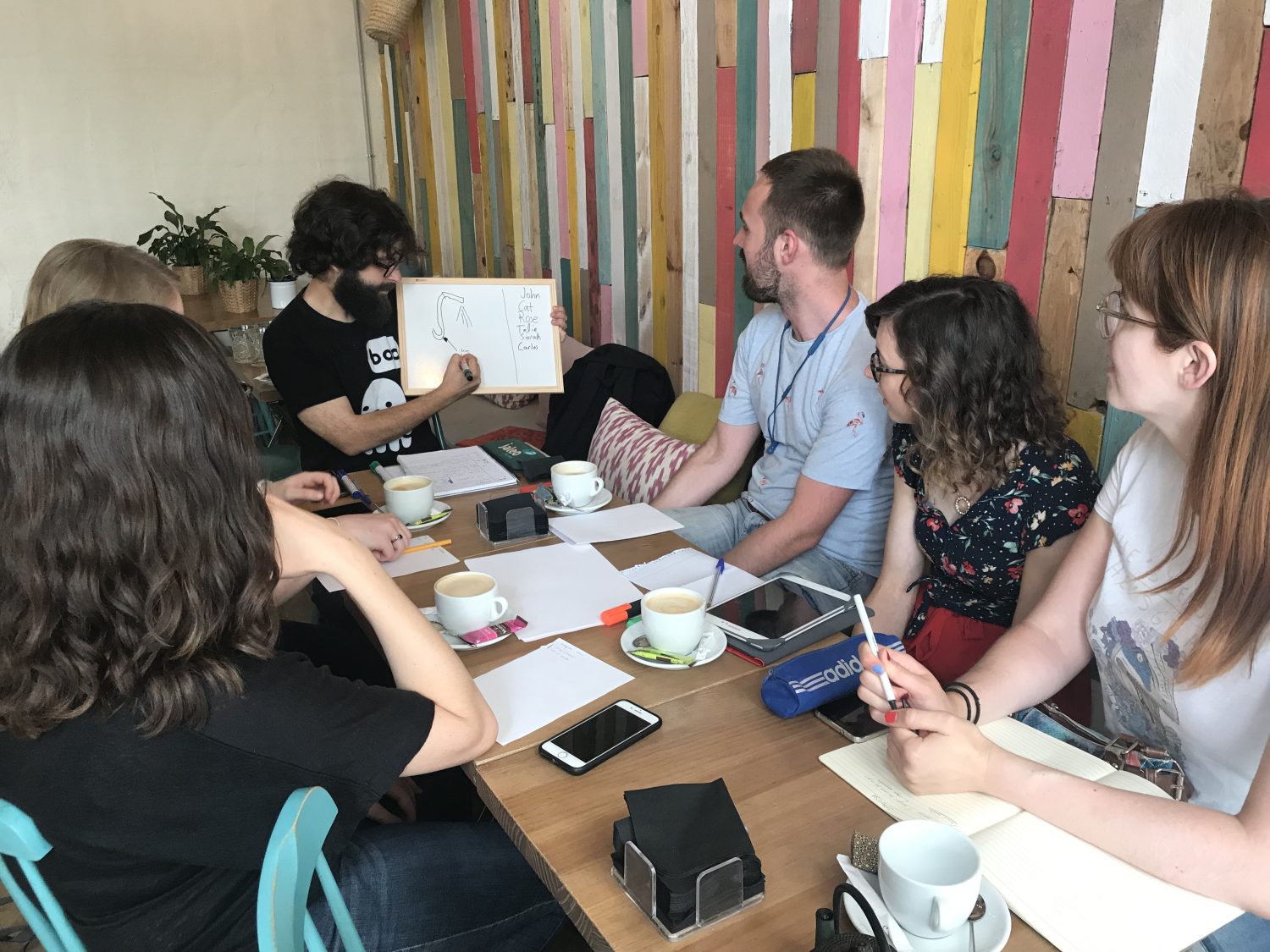
If you want to master the nuances of “joder” and other Spanish swear words, consider taking a language class at a local school like Jaleo Madrid. Immersing yourself in real-life conversations and guided practice can help you become comfortable with when and how to use these expressions. Before you know it, you might find yourself saying, “¡Joder! ¡Qué buena experiencia!” (“Fuck! What a great experience!”) with confidence.
In conclusion, swearing is an integral part of the Spanish language, and “joder” is a prime example of how profanity is woven into everyday speech. By understanding and appropriately using words like “joder,” you can communicate more naturally and connect more deeply with native speakers.
Muchos hispanos hemos mejorado nuestro inglés gracias a las series de Estados Unidos y de Reino Unido. Los protagonistas de Friends, Breaking Bad o Lost han sido nuestros mejores profesores. Por eso, desde Jaleo Madrid, pensamos que las series son un modo estupendo para mejorar nuestro español. Te proponemos algunos consejos útiles para aprender disfrutando de las recomendaciones de producciones españolas que han hecho nuestros profes. ¡Rápido, haz palomitas que empezamos! No tengas vergüenza de usar subtítulos: Al principio no vas a entender absolutamente nada, pero, no te preocupes, los subtítulos son tus aliados. Tenemos que avanzar poco a poco. Primero, subtítulos en inglés (o en tu lengua materna); después, en español… finalmente, sin subtítulos. No te obsesiones con entender todas las palabras: Tranquilo, normalmente no comprendemos todo lo que
At Jaleo Madrid, we are officially blowing out seven candles! It feels like only yesterday when we held our very first class—a DELE exam preparation session back in 2019. Since then, our memory bank has overflowed: from the excitement of those first steps to the “bittersweet” days of the pandemic, where we offered free online Spanish classes to keep our global community connected during lockdown. Time has flown, and while the world has changed, Jaleo has grown into a premier destination for those looking to learn Spanish in Madrid. Excellence and Innovation in Teaching We’ve evolved from a small project into a high-standard institution. Jaleo Madrid is proudly accredited by the Instituto Cervantes, the gold standard for Spanish language education. This prestigious accreditation allows us to offer: Spanish Courses for